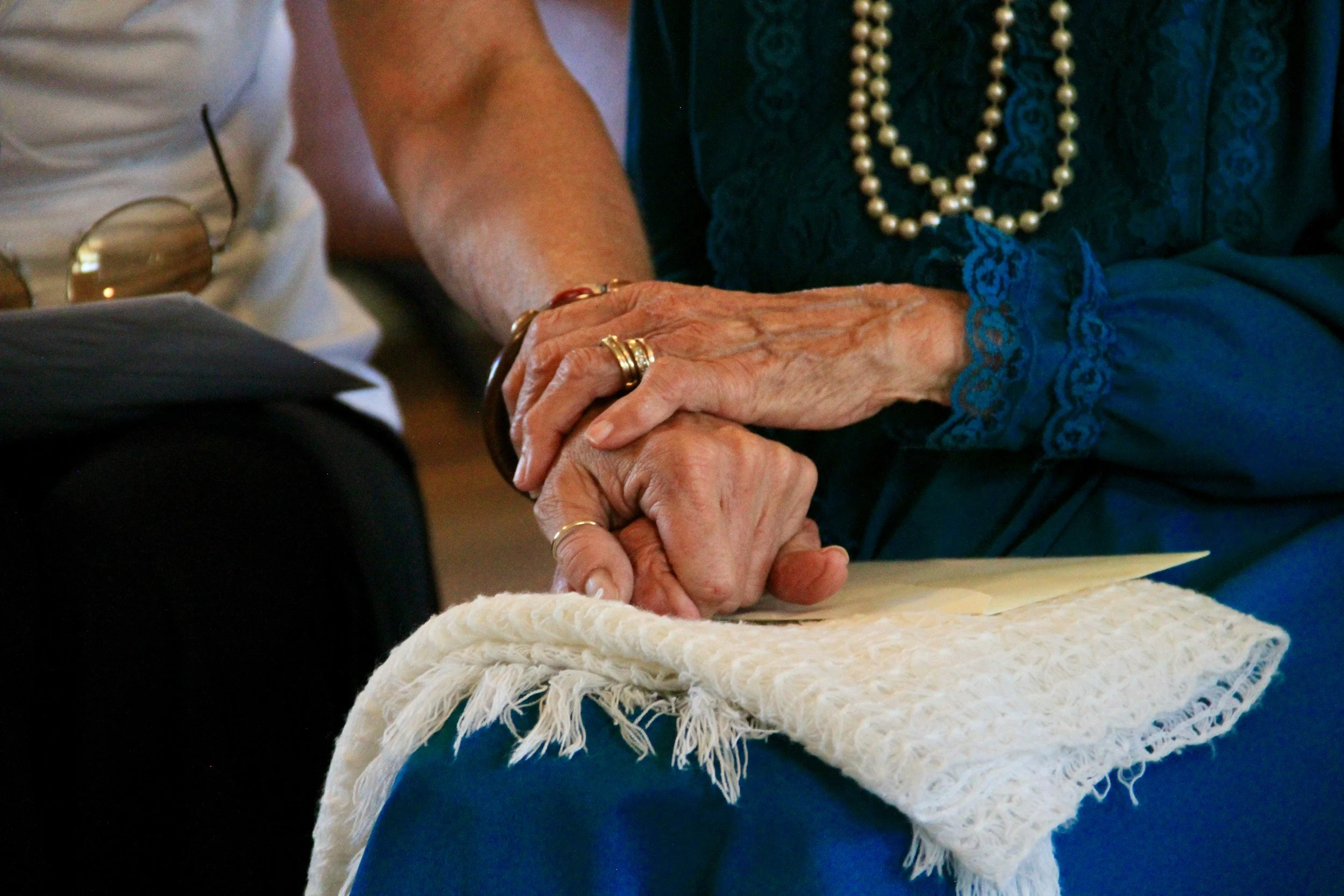
End of Life Counseling
when a cure isn’t possible
Our Process
Living Fully
End-of-life counseling can help you live fully, make intentional decisions, and consider how you want to spend your time. Therapy can also support you as you navigate sharing updates about your illness with loved ones and coworkers. At the end of life, time becomes especially precious, and counseling can help you use that time in meaningful ways
Anticipatory Grief
During treatment, therapy can help you manage stress, uncertainty, and the emotional demands of balancing cancer care with everyday life. We can work together to identify practical self-care strategies, strengthen your support system, and help you navigate treatment in a way that feels sustainable for you—whether this season lasts weeks, months, or years.
Advanced Care Planning
After treatment ends, the transition into survivorship can bring relief, gratitude, uncertainty, and new challenges. Even when treatment is complete, your body, identity, relationships, and sense of safety may feel different. Therapy can support you as you adjust to these changes, rebuild trust in your body, and make meaning of life after cancer treatment.
Faith-Based Support
Cancer can also bring up questions about faith, meaning, fear, hope, and where God is in the middle of suffering. Together, we can support your emotional well-being while helping you stay connected to your faith during your cancer journey.
Additional Resources